
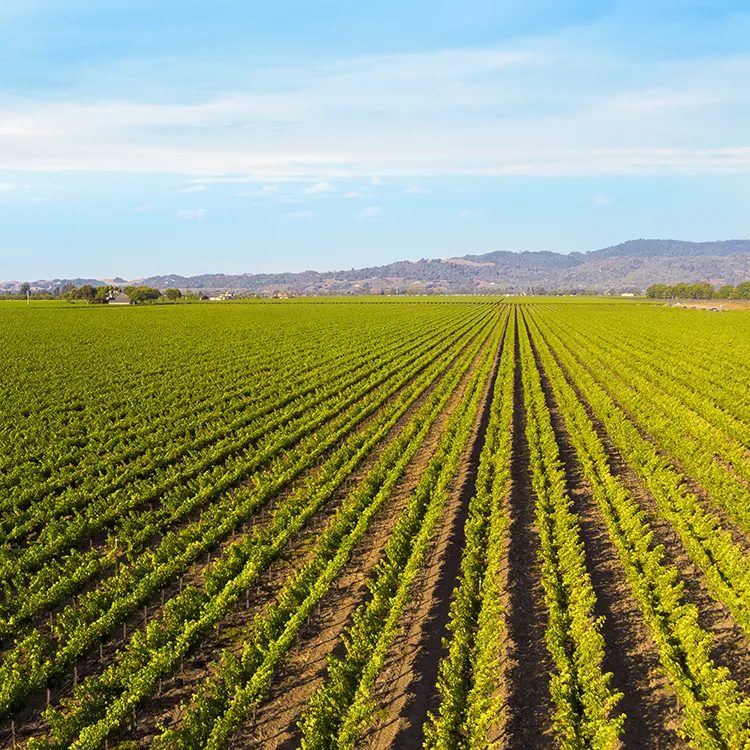
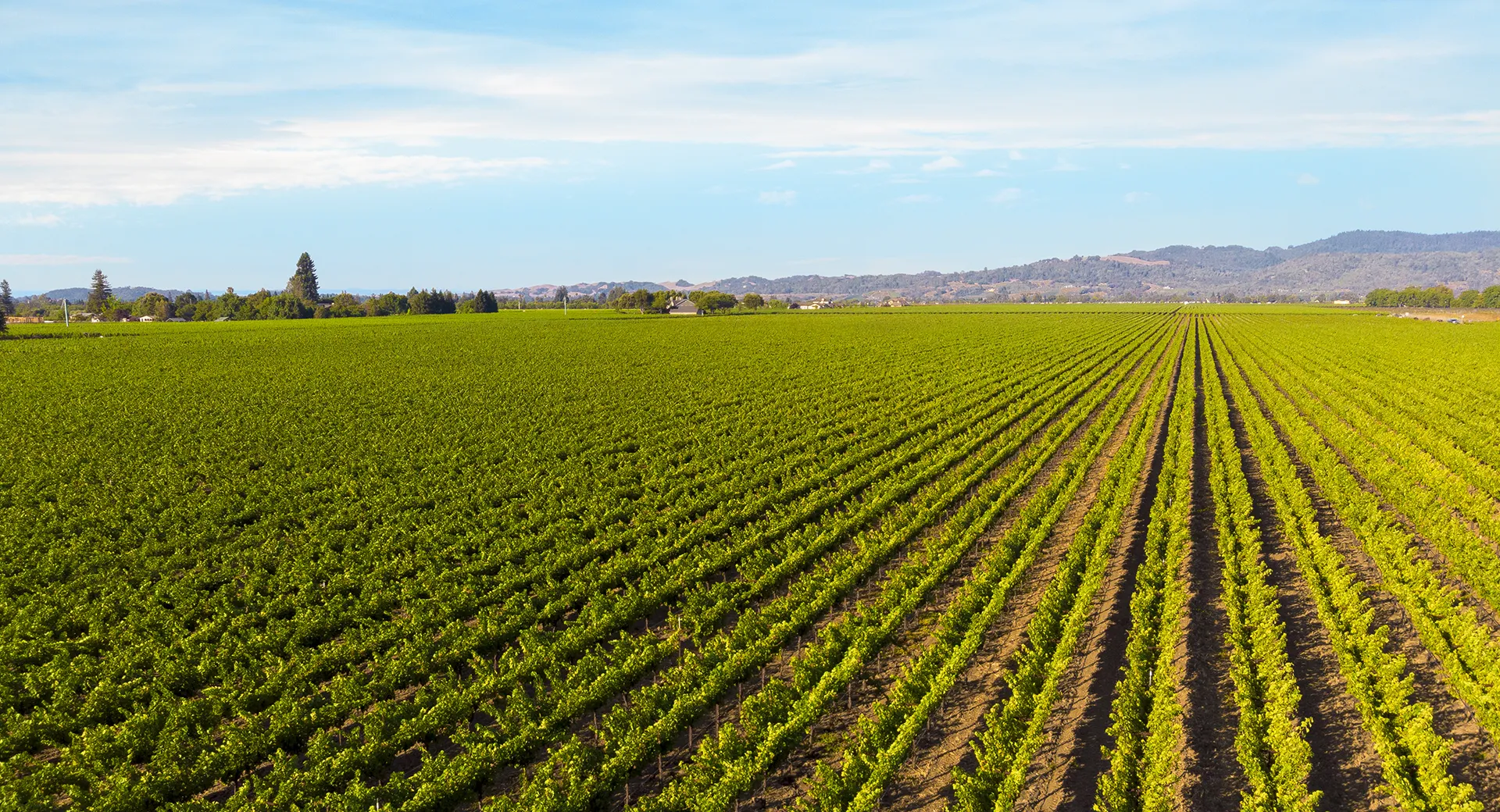
Aerial view of Denner Vineyards (mobile).
Aerial view of Denner Vineyards.

Our Vineyards

Threadcount draws from California’s most dynamic coastal growing regions, where diversity is not a limitation, but a strength. From the fog-kissed hills of Mendocino and Sonoma to the sun-drenched valleys of Napa and Lodi, each site contributes its own personality to the final blend.
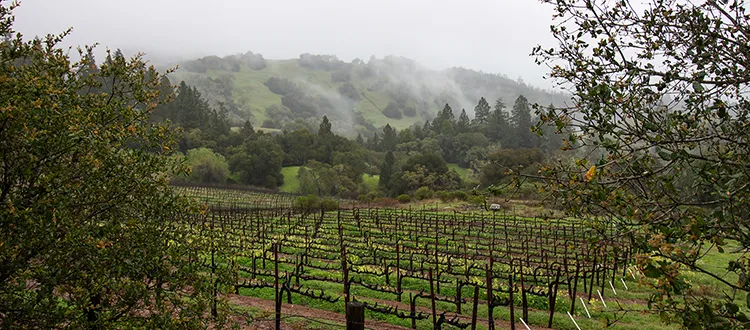
Copper Cane, Threadcount vineyards in Mendocino.

Mendocino, CA

Elevation
Soils
Climate
Rainfall
Principal Varieties
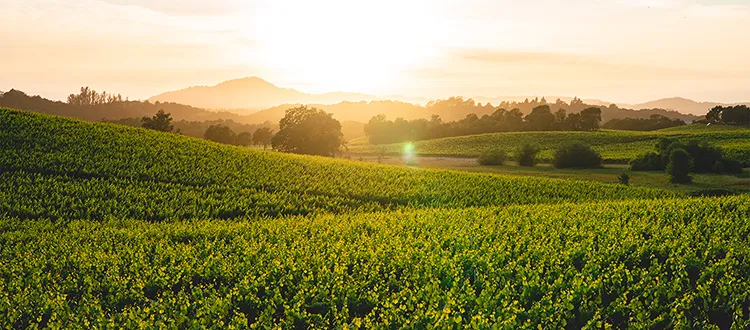
Copper Cane, Threadcount Vineyards in Sonoma County.

Sonoma, CA

Where coastal fog rolls in like a velvet curtain each morning, Sonoma County’s diverse terrain and microclimates create an ideal canvas for world-class winemaking. Home to 19 acclaimed AVAs—including the heavily coastal Russian River Valley, Sonoma Coast, and Carneros—this region yields rich and expressive Pinot Noir and Chardonnay brooding with character, depth and soul. The cool, foggy mornings and temperate afternoons drive vibrant acidity and layered complexity, resulting in wines that are both graceful and powerful.

Elevation
Soils
Climate
Rainfall
Principal Varieties
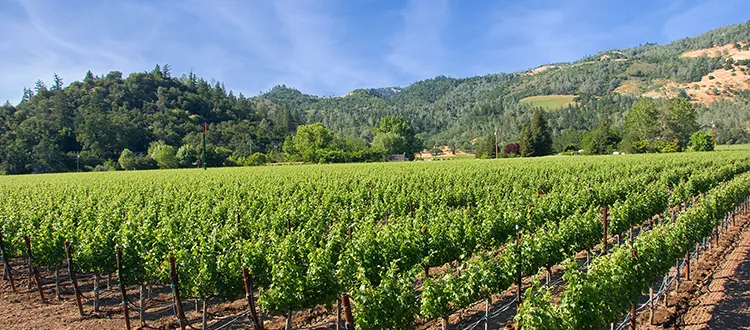
Copper Cane, Threadcount Vineyards in Napa Valley.

Napa, CA

Elevation
Soils
Climate
Rainfall
Principal Varieties
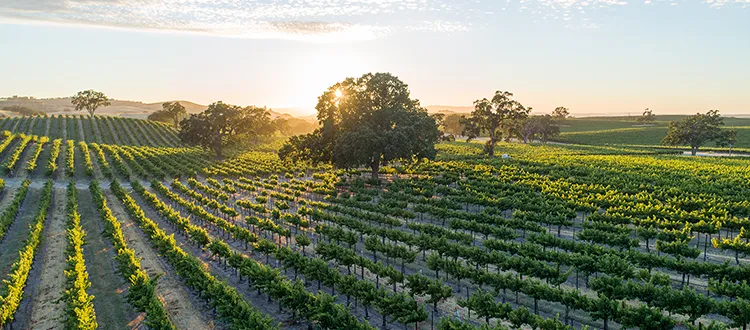
Copper Cane, Threadcount Vineyards in Lodi, California.

Lodi, CA

Elevation
Soils
Climate
Rainfall
Principal Varieties

For Napa Valley Quilt, our grapes come from a patchwork of prime Napa vineyards to create a classic expressions of the varieties that have defined this world class region. And with Threadcount, we celebrate the art of blending, allowing us to push the boundaries of flavor and complexity.

Joseph Wagner, Owner & Fifth Generation Winemaker

Our Winemaking Style

Extended Hang Time

Copper Cane Winery has redefined the modern winery with our unique approach to the winemaking process. When green grapevine canes begin to lignify, or turn to winter hardy wood they take a copper hue, this color shift signals that the green vegetal character and harsh tannins have been purged from the vine and that the grapes are physiologically ripe. Only then are the grapes ready for harvest. This is why Copper Cane only works with grapes. We never buy juice or bulk wine because we want to control all aspects from the vineyard to the bottle.

Cryo-extraction

We use freezing methods, such as dry ice, to initiate the winemaking process upon harvesting in the vineyard. Dry ice is layered as the grapes are picked and the process of cryo-extraction begins, freezing the grape skins and allowing the cell walls within the skins (which is where color and flavor compounds are found) to rupture, beginning the extraction of the phenolics. This makes the color compounds and flavors more accessible during fermentation.

Destemming the Grape Clusters

Destemming consists of separating grapes from the stems. The process of removing the grape berries from the stems begins once the grapes have been harvested and bought in to the winery. Grape stems contain high concentrations of tannin, leaving them in the “must” (berries, juice, pulp, and seed) during cold soak and fermentation would result in a wine with harsh, green tannin. Removing this element allows us to showcase the natural lush fruit flavours we like to taste in our wines.

Extended Cold Fermentation

Cold fermentation is a technique where, as soon as the grapes and juice are in the tank, we quickly reduce the temperature of the grapes using cryo-extraction methods to near freezing, 20-30 degrees cooler than most wineries maintain. We also extend this period of cold fermentation to three to four weeks, where other wineries typically complete this in one week. Extended cold fermentation results in more supple tannins, lush fruit notes, and deeper, richer color.

Barrel Stripping

Before the wine can be placed in barrels for maturation, we have to pep them. Sulphur Water Soak, or extended steam treatment is our technique for slowly leaching out tannins and leaving behind the subtle oak nuances – such as toasted, vanilla, and delicious spice characters that we do not want in our wines. This eliminates the coarseness that a new barrel can contribute and maintains the elements we desire. We do not add water to our must/juice (no amelioration). We do not add sugar to our grapes (no chaptalization). We do not add acid to our grapes (no acidification).